Visual assets strategy for home maintenance services
Hero visuals and cover images for service pages
Two-thirds of clients say a service page with authentic hero visuals feels more trustworthy than one flooded with stock photos. For home maintenance services, the shot isn’t about polish—it’s about handyman images that speak to South African homes.
Hero visuals should show work in motion: a craftsman aligning a shelf, a team in high-visibility gear, light tracing a faucet. Cover images for service pages need a single focal point to set the page’s mood.
- Consistency across all hero and cover images
- Real people, real tools, real settings
- Natural lighting and authentic textures
Across South Africa’s diverse neighborhoods, this visual strategy must feel earned, not staged. A curated set of handyman images signals competence when walls need attention and roofs meet the sun.
These visuals become the quiet voice of your pages, inviting clients to imagine reliable repairs and lasting results—handyman images that make your brand feel steadier and more approachable.
Practical tool-focused imagery to convey capability
In the first seven seconds, a visitor decides whether a service page feels trustworthy. In South Africa, practical, in-action visuals sell competence faster than glossy polish ever could.
Visual assets for home maintenance must lean into hands-on reality: tool-focused imagery that speaks to capability, not fantasy. Show real tradespeople mid-task, in real settings and textures—handyman images where a level is clamped, a pipe is being measured, light tracing a faucet.
Consider these essential tools appearing in imagery:
- hammer and nails with fresh shavings
- adjustable wrench gripping a pipe under a sink
- tape measure and a level marking precise alignment
Consistency and natural lighting across diverse neighborhoods keep the visuals from feeling staged, turning pages into a quiet invitation to dependable repairs and lasting results.
Lifestyle shots showing in-use scenarios with clients
South Africa shows that a real moment on site beats a glossy shot every time. “Trust is earned in the rooms where it happens,” a veteran handyman once quipped. That’s the spirit behind lifestyle shots—clients beside the tradesperson as work unfolds in authentic homes, with textured surfaces and real gear. These handyman images convey competence without sound bites, turning a page into a quiet invitation to repair and reliability.
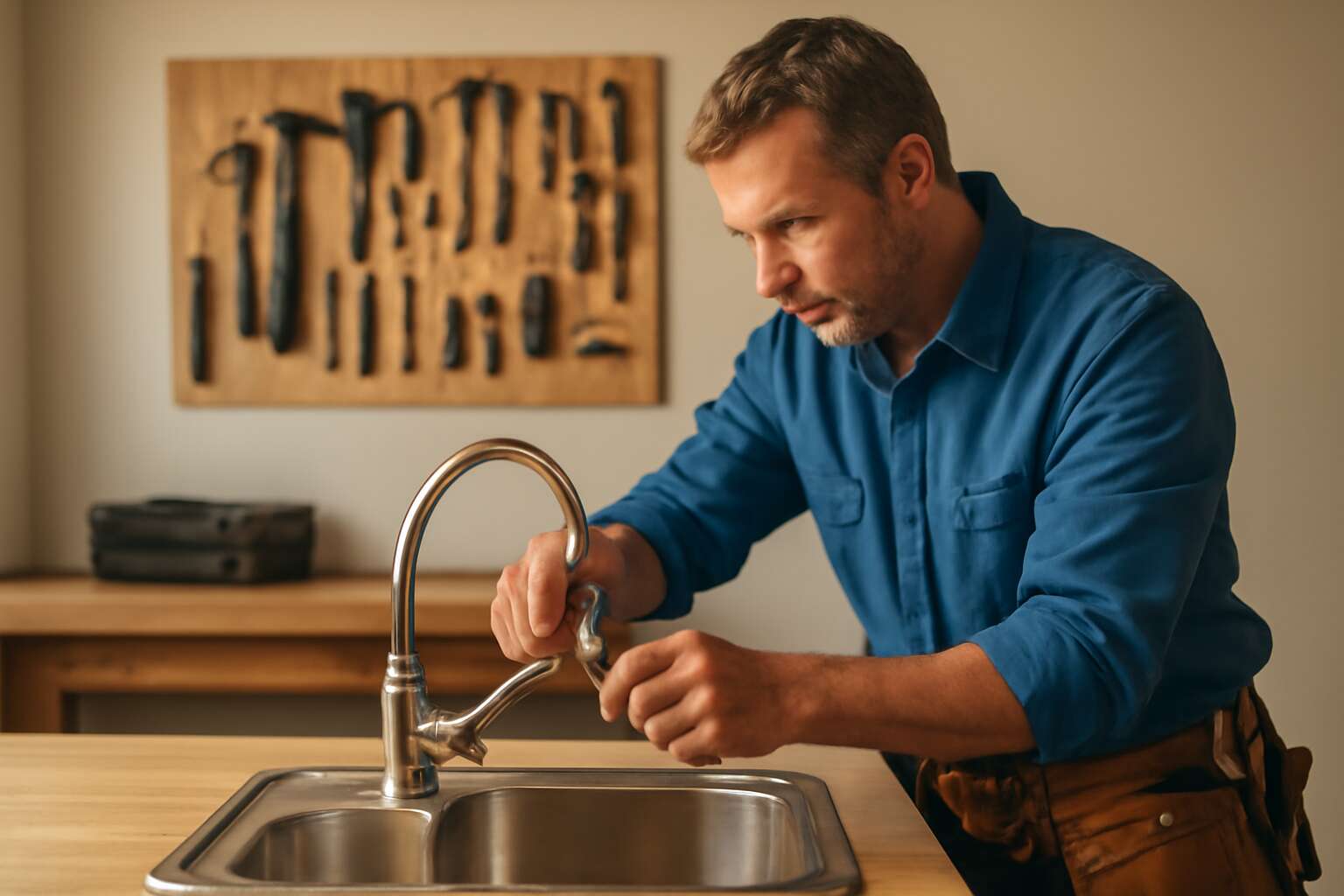
- Tradesperson mid-task under a sink; client watching closely
- Tap repair with sunlight streaming through a kitchen window
- Level, tape measure, and a measured wall marked with client present
Maintain consistency with natural light across diverse neighborhoods; aim for candid, in-use scenes that feel attainable in kitchens, lounges, and yards. When viewers see handyman images, they sense steadiness, skill, and the promise of lasting results.
Color, composition, and accessibility best practices for images
“Trust is earned in the rooms where it happens.” Visual assets for handyman images must carry that truth—color, composition, and accessibility aligned to real homes in South Africa. The goal is images that breathe warmth and reliability, not polished perfection that feels distant.
Color decisions lean toward natural warmth: sunlit neutrals with earthy accents, avoiding jarring contrasts on small screens. Composition should guide the eye to work in progress, with clear focal points and room-scale cues. Accessibility ensures alt text describes the scene and tools, and that color contrast remains legible for every viewer.
- Color: warm, authentic tones reflecting local materials and light
- Composition: intimate yet informative frames that show scale and sequence
- Accessibility: descriptive alt text and high-contrast edges for readability
When these elements align, the images become a quiet invitation—an on-site moment that translates into trust and lasting results across kitchens, lounges, and yards.
SEO-friendly metadata and alt text planning
South Africa’s sun scours the cityscape, and in six seconds a handyman image can tell a client if the house breathes trust. I wander the archive, shaping visuals whose metadata and alt text are as deliberate as a master’s blade—warm, real, unpolished. These images must echo the room’s pulse, not pretend to be showroom perfection.
Alt text becomes the lantern for readers who navigate without sight; file names whisper location and task; captions anchor mood and sequence. Accessibility and SEO walk hand in hand, with high-contrast edges and legible type guiding every viewer through the scene.
When these elements align, handyman images open a door to reliability—kitchens, lounges, yards where work is in progress and character shines. The quiet invitation of the frame translates into lasting trust across South Africa.
Image source options and licensing considerations for marketing
One image can whisper trust into a home in six seconds, and handyman images carry that weight into every room—kitchens, lounges, yards—where care is seen, not shouted. A visual strategy begins with where those images come from and how they are licensed for marketing. In South Africa, local light, texture, and workwear speak louder than glossy polish. Build authenticity by choosing sources that reflect your brand and protect you legally.
- In-house photography with a shot list
- Stock libraries offering commercial licenses for marketing
- Commissioned shoots with a local photographer
- User-generated content with signed releases
Licensing considerations should spell out scope of use, duration, and platforms; secure model and property releases; and ensure multi-channel rights without creeping restrictions. When handyman images are handled with care, campaigns feel trustworthy and enduring across South Africa.
Image SEO for home repair and maintenance content
Key image ranking signals for local service pages
In the crowded field of local repairs, images decide who stays and who scrolls. In South Africa’s bustling service market, a sharp shot can be the difference between a call and a click. ‘Images establish trust in an instant,’ one local marketer says, and well-optimized imagery holds mobile readers longer!
- Alt text reflects local intent
- Descriptive file names with location cues
- Fast loading with modern formats
Key image ranking signals for local pages blend relevance, speed, and local context, shaping both search intent and user trust.
For handyman images, a cohesive style beside copy mentioning Cape Town or Durban builds local credibility. Captions add context and alt text describes action and outcome, not just the tool. The result is a page that feels human and trustworthy to South African audiences.
Ultimately, image SEO becomes a quiet architecture behind every repair story.
Alt text strategies for repair tasks and materials
Images decide who stays and who scrolls in South Africa’s crowded repair market. A sharp shot can turn a browser into a customer; studies show images lift click-through rates on local service pages by as much as 42%. That stat isn’t vanity—it’s real market psychology at work. For home repair and maintenance content, the image strategy should feel human: precise, local, and built to accompany the repair story—from the humming suburbs of Cape Town to Durban’s bustling streets—alive and loud!
Alt text shapes intent more than you might admit. For handyman images, describe the task, the material, and the outcome, not merely the tool. Keep it local—tie the image to a place, a room, a specific job. Think like a reader scanning for the exact fix, not a catalog of gadgets.
- Alt text example: task and outcome
- Materials and locality within context
- Local landmarks and room type
Filename conventions and size optimization for fast pages
In South Africa’s crowded repair market, handyman images aren’t just decoration—they’re conversion engines. A sharp image, properly named and sized, can lift click-through rates on local service pages by up to 42%, turning browsers into leads. The aim is human, local storytelling: from the humming suburbs of Cape Town to Durban’s busy streets, the image should stand alongside the repair narration, inviting trust and clarity rather than mere spectacle.
Filename conventions and size optimization keep that promise fast and findable. Descriptive, hyphenated names that encode city, task, and context help search engines understand the image and the page it sits on; and compressed files keep pages fast on mobile networks.
- Use lowercase, hyphenated filenames with place and task (for example, cape-town-leaky-pipe-repair.jpg)
- Avoid spaces and special characters; keep filenames concise but descriptive
- Optimize sizes and file formats (JPEG for photos, PNG-8 for simple graphics); target under web-friendly thresholds
Structured data and image markup to enhance local visibility
South Africa’s repair market is crowded, and a single image can sway a client before a word is spoken. The right visual—handyman images—paired with smart markup can lift local engagement by up to 30%, turning browsers into leads.
Structured data and image markup guide search engines to the heart of the page: who, where, and what. By tagging images with ImageObject and LocalBusiness schemas, you encode city and context, nudging your article toward local results.
- ImageObject attributes: contentUrl, width, height, caption
- LocalBusiness context: serviceArea, address, openHours
- Structured data syntax: JSON-LD injection and clean validation
Let the imagery speak in measured color and clarity, a narrative from Cape Town to Durban, inviting trust rather than spectacle. When data is organized, readers find you faster, with confidence already minted in the frame.
Accessibility and inclusive imagery practices
South Africa’s repair market is crowded, and a single handyman image can sway a client before a word is spoken—local engagement can rise by up to 30% when imagery aligns with accessibility and context. For home repair and maintenance content, image SEO isn’t vanity; it’s a compass that points readers to trust, from Cape Town to Durban. The right handyman images invite readers to linger, see competence, and imagine the task done.
To honor accessibility in practice, consider these inclusive imagery principles:
- Depict diverse homeowners and technicians across ages, genders, and backgrounds.
- Show real work environments with clear, uncluttered backgrounds and readable captions.
- Ensure color choices and framing support readability for all viewers, including those with visual impairments.
Let the frame speak of reliability, from dusty garages to polished kitchens, weaving SEO with sincerity. handyman images anchor your narrative and invite engagement, turning browsers into clients.
Sitemap and indexing best practices for images
In South Africa’s crowded repair market, a single handyman images shot can sway a client before a word is spoken—and local engagement can rise by up to 30% when imagery matches context. A well-composed image signals reliability, competence, and a job well started, right from Cape Town to KZN.
For image SEO, map your visuals with an image sitemap or image entries in your existing sitemap. Keep image URLs crawl-friendly, and ensure the hosting server serves images quickly. Pair fast-loading visuals with clear, contextual galleries to keep local audiences engaged.
- Publish an image sitemap or include image entries in the main sitemap
- Keep image URLs stable and accessible, avoid blocking folders in robots.txt
- Submit to Google Search Console and monitor indexing signals for handyman images
Categories and use cases for handyman-related visuals
Tool demonstrations and equipment close-ups
A single frame of a drill biting into timber can stop a scroll in its tracks. In South Africa’s bustling service market, handyman images do more than illustrate capability—they build trust at a glance. Categories and use cases for handyman-related visuals span tool demonstrations and equipment close-ups, each serving a distinct purpose from catalog pages to client proposals.
Within this spectrum, focus areas that translate into real impact include:
- Tool demonstrations capturing motion and precision—saws, drills, and measuring tools in action
- Equipment close-ups that reveal build quality, materials, and finishes
- In-context workflow shots showing how problems are solved on site
These visuals become anchors for product pages, service catalogs, and case studies, guiding readers toward action while keeping the craft approachable. A touch of storytelling without shouting, these images lend credibility in a crowded market.
Before and after project visuals that tell a story
Frames that speak louder than specs cut through the South African noise. “Trust is a visible craft,” says a seasoned handyman, and handyman images do more than show skill—they invite clients to step onto the job site and feel the possibility in the air.
Categories and use cases include before-and-after storytelling that tracks a project from challenge to finish, on-site problem-solving sequences that reveal rhythm and technique, and close-ups that celebrate materials, texture, and finish.
- Before-and-after narrative sequences
- On-site workflow and problem-solving shots
- Material textures and finish close-ups
- Case-study and proposal visuals
These handyman images become anchors on catalog pages, client proposals, and case studies, guiding readers toward action while keeping the craft intimate and credible. Used well, they boost local visibility and resonate with readers who crave authenticity.
Team interactions and customer consultations in photos
In a crowded South African home-improvement landscape, a single photo of a planning table can outshine a library of specs. “Trust is a visible craft,” says a veteran handyman, and handyman images that capture team talks and client consultations put the work in motion—grounded, local, and credible.
Categories and use cases include team briefings that show collaboration, on-site client walkthroughs that translate needs into action, and live design chats that reveal decisions. These visuals turn planning into narrative and invite readers to step onto the site.
- Planning and client briefings
- On-site walkthroughs with clients
- Team coordination moments
- Materials discussion and approvals
Safety-focused visuals showing PPE and protocols
In a crowded South African home-improvement landscape, a single frame of safety-first motion can outshine a folder of specs. Handyman images that capture PPE in use, crew huddles before work, or a harness clipped to a scaffold translate risk into reassurance. These visuals fall into practical categories: on-site PPE moments, protocol demonstrations, and safety-signage interactions that feel grounded, local, and credible.
- Hard hats and face shields
- Safety goggles
- Respiratory masks
- Ear protection
- High-visibility vests
- Gloves (cut-resistant)
- Steel-toe boots
- Safety harnesses and fall-arrest gear
- Coveralls
- Work-site boots with reinforced soles
Beyond gear, these handyman images show how protocols unfold on the floor: a quick tool-handling demo, a risk-check brief, client-safe walkthroughs. These visuals invite readers to step onto the site and feel the care that goes into every cut and joint, all captured as authentic handyman images that speak without words.
Progress updates and time-lapse style visuals
Progress speaks louder than promises—handyman images that capture real-time updates win trust faster than glossy brochures. In South Africa’s buzzing home-improvement scene, progress updates and time-lapse visuals translate months of work into a single, confident frame. Categories include on-site milestone shots, early prep, and finishing touches, each telling a story of planning, care, and craft.
- On-site milestone shots that map concrete steps
- Time-lapse sequences from start to finish
- Mid-project client walkthroughs highlighting safety and collaboration
These visuals invite readers to step onto the site and feel the care poured into every joint, no words required—just movement, rhythm, and competence.
Clean, minimalist hero visuals for branding
Progress speaks louder than promises—handyman images hold the spell, turning a dusty site into a trust-building narrative for South Africa’s buzzing home-improvement scene.
We map categories and use cases that go beyond glossy ads: tools-in-action, material textures, before-and-after transformations, and the human rhythm of teamwork on site—paired with clean, minimalist hero visuals for branding.
- Tools in action and close-ups that reveal grip, fit, and function
- Material textures and finishing details that tell of care and craft
- Before-and-after transformations that stage a journey from plan to pride
- Team interactions and on-site planning—collaboration visible in every frame
These visuals invite readers to step onto the floor and feel the care poured into every joint, movement, and measure—no words required, just motion, context, and competence.
Image sourcing and licensing considerations
Stock photography vs custom photography for services
In South Africa, visual trust is currency: 72% of homeowners say the first impression of a handyman comes from the images they see online. That makes the choice of handyman images crucial—authentic, well-lit, and context-rich.
When sourcing images, balance speed and authenticity. Stock photography can fill gaps quickly, but custom photography delivers the local flavor, real tools, and genuine work moments that convert.
- License scope and duration
- Usage across pages, ads, and social channels
- Model releases and location permissions
Whether stock or custom, thoughtful planning around composition, color, and accessibility keeps handyman images resonant with South African audiences and search engines alike.
How to brief a photographer for home repair visuals
In South Africa, 72% of homeowners say the first impression of a handyman comes from the images they see online. That makes handyman images crucial—authentic, well-lit, and context-rich.
When sourcing, balance speed with substance. Consider license scope and duration, usage across pages and ads, and model releases and location permissions.
- License scope and duration
- Usage across pages, ads, and social channels
- Model releases and location permissions
To brief a photographer for home repair visuals, emphasize the local setting, the tools commonly seen in SA trades, and real work moments that resonate with audiences. Share mood boards, color tones, and expectations so shots fit across pages and campaigns, supporting SEO and local relevance.
That cohesive program makes the visuals sing across search and social!
Licensing terms and usage rights for marketing materials
Powerful visuals clinch the sale, almost like a spell that holds attention. 72% of South African homeowners say the first impression of a handyman comes from the images they see online—before a single word is spoken. Licensing terms shape what you can do with those images long after the shoot: single-page use, banners, or full campaigns, and durations that stretch across seasons. The right license aligns with SEO aims and keeps your brand compliant while you scale.
Licensing terms and usage rights for marketing materials should clearly cover where and how you can deploy images—across pages, ads, and social channels—and who owns the rights for future updates. Ensure you secure model releases and location permissions so handyman images remain defendable on every channel.
- License scope
- Duration
- Usage across pages, ads, social
- Model releases and location permissions
Model releases and property releases essentials
Handyman images are permission slips for trust, inviting viewers to lean in before a word lands. Sourcing visuals means blending stock serenity with on-site grit: authentic toolwork, real hands, and spaces that feel lived-in. For South African audiences, daylight tones, practical detail, and respectful representation make the difference across pages and platforms.
- Model releases: to confirm consent from people appearing in the shot, including usage scope and duration
- Property releases: covering homes, yards, and interiors featured, for commercial use
- Location permissions: for on-site shooting and visibility of private elements in frame
Pair these with clearly defined licensing terms to guide where and how each image travels across pages, ads, and social, while staying aligned with SEO and brand integrity.
Cost-effective image procurement strategies
Images aren’t just decoration; in a services market, they carry trust. When sourcing handyman images, the goal is clarity and permission—the kind that lets a story travel across pages, ads, and social in SA without friction. Smart buyers balance cost with context: daylight, real hands, and spaces that feel lived-in, so every frame whispers competence while staying compliant on licensing and usage.
Consider these cost-efficient angles: plan shoots that cover on-site work, interiors, and client interactions in one session, while leaning on thoughtful stock for core visuals. That approach keeps costs predictable and content resilient across platforms.
Maintaining brand consistency across all visuals
Images shape trust faster than a handshake. In a country where word of mouth travels farther than a road, a recent survey found that visuals influence 80% of first impressions for service providers. Handyman images—clear, honest, and daylight-lit—let readers feel competence even before they read a line. When you keep visuals on-brand, you build consistency across pages and posts, ads and social, without friction.
Licensing is the quiet backbone: permissions, usage rights, and the occasional model or property release that keeps the content safe to publish. Treat stock and custom visuals as two routes toward the same destination: authenticity. By aligning tone, color, and composition across every frame, your service-story travels from a brochure to a trusted local presence.




0 Comments