
NBCEI is a Electrician establishment in Gqeberha / Port Elizabeth, Eastern Cape, South Africa
NBCEI — National Bargaining Council for the Electrical Industry (Gqeberha / Port Elizabeth, Eastern Cape)
NBCEI operates as a centralised bargaining council under South Africa’s Labour Relations Act, focused on maintaining industrial peace and stability within the electrical industry. In the Gqeberha region and across the Eastern Cape, the council is described as a self-regulating body that coordinates wage regimes, terms and conditions of employment, and compliance for electrical workers and their employers. Rather than providing traditional electrical contracting services, NBCEI functions as the governance and wage authority for the sector, guiding how employers register, how workers are classified, and how wage progression is administered under NBCEI rules.
The primary service offering centres on centralised bargaining and the regulation of industry standards. NBCEI’s mission is to create stability in the Electrical Industry by establishing uniform practices that cover remuneration, employment terms, and dispute resolution pathways. This framework is designed to support both employees and employers by reducing irregular pay practices and by providing a recognised structure for negotiating wages and conditions.
Key functions include providing access to an online platform and resources intended to support industry participants. The ECI Online Platform (Region A and Region B) features video introductions and registration processes, aiming to simplify engagement with NBCEI for both workers and firms. The site also hosts a range of informational resources, including wage rate guidance and articles addressing topics such as calculating salaries under NBCEI, wage increases, and comparisons with non-NBCEI electrical companies. These materials are positioned as educational tools to help industry members understand their rights, obligations, and on-going wage progression.
NBCEI emphasises the importance of formal registration and compliance. Available links point to Registration with NBCEI, Elconop Applications, Registered Employers, and a directory of Compliant Contractors. The presence of “All Compliant Firms” and “All Regions Sole Traders” suggests a structured registry designed to help employers and workers identify legitimate, NBCEI-endorsed entities. This registry likely serves as a practical resource for verifying contractor legitimacy and ensuring alignment with industry-wide standards and wage schedules.
Customer experience insights drawn from the site and user feedback imply a straightforward, information-driven process. For employers and electrical workers, the user journey appears to involve locating NBCEI resources online, accessing wage-rate guidance, and engaging with the compliant contractor and registration systems. The online content is complemented by regular news and articles, including discussions of wage rates, wage increases, and comparative analyses with non-NBCEI companies. This mix of content signals an emphasis on transparency, periodic updates, and practical guidance for those navigating the electrical sector’s employment framework.
Visitor feedback from a variety of local reviewers in the broader community suggests a generally positive sentiment regarding NBCEI-associated services, with comments noting reliable service experiences. While individual reviews do not detail every service facet, they contribute to an impression of accessible guidance and client responsiveness within the local electrical industry network.
Practical tips for customers planning to engage with NBCEI services:
- Check NBCEI’s official online platform to verify registration, compliant firms, and available wage guidance before selecting an electrical contractor.
- Consult NBCEI wage-rate resources to understand current pay scales and avoid discrepancies in remuneration for electrical workers.
- Use the Elconop Applications and Registered Employers listings to confirm that a business partner is NBCEI-approved and regionally compliant.
- Explore NBCEI’s online videos and articles for practical explanations on wage calculations, increases, and how NBCEI structures affect employment terms.
- Consider subscribing to NBCEI’s newsletter to stay informed about regulatory updates, wage changes, and new compliant contractors in the Eastern Cape region.
NBCEI’s stated focus on industrial peace and standardised practices positions the organisation as a governance and wage framework for electrical industry participants in Gqeberha and the broader Eastern Cape. For those seeking clarity on employment terms, wage progression, or contractor credibility within the electrical sector, NBCEI provides centralised resources and a registry-based approach to support informed, compliant engagement.
Gqeberha / Port Elizabeth
Eastern Cape
South Africa
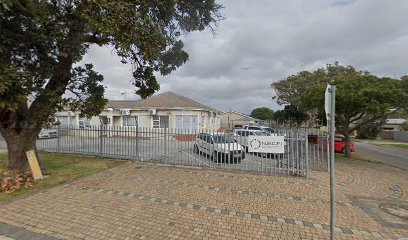
Electrical Services in Gqeberha (Port Elizabeth), Eastern Cape
Electrical work in Gqeberha, also known as Port Elizabeth, is carried out by qualified practitioners who serve residential, commercial and light industrial clients across the metro and its surrounding towns. The Eastern Cape presents a mix of older housing stock and newer developments, meaning electricians often navigate a range of wiring types, retrofit requirements and safety considerations unique to the region. Customers can expect a practical approach that emphasises reliability, compliance with local regulations and careful attention to the specific demands of coastal and inland environments.
Typical services include installation, maintenance and repair of electrical systems. For homes, electricians commonly handle routine tasks such as the installation of new lighting, power outlets and ceiling fans, as well as more complex projects like kitchen and bathroom rewiring or the fitting of backup power solutions. In commercial settings, the focus tends to shift towards ensuring that electrical systems support business operations, including the installation of ventilated electrical boards, dedicated circuits for critical equipment and the integration of safe, scalable lighting and climate control solutions. In both sectors, safety and code compliance are central considerations throughout planning and execution.
Planned electrical work usually begins with a site assessment. A practitioner will inspect existing wiring, distribution boards and protective devices, taking into account factors such as electrical load, age of installations and potential moisture exposure in coastal areas. From this assessment, a clear quote or work plan is produced, outlining the scope, expected timelines and any necessary upgrades to meet current standards. The emphasis in Port Elizabeth and neighbouring towns is on practical, cost-conscious solutions that remain compliant and future-proof where possible.
Customers should anticipate a phased approach to more involved projects. Initial phases may focus on ensuring safe, reliable power and addressing immediate hazards, such as exposed wiring or tripping circuits. Subsequent phases often address efficiency improvements, such as upgrading to energy-efficient lighting, installing automatic controls or incorporating surge protection. In commercial environments, electrical contractors may coordinate with other trades to minimise disruption and ensure that installation work aligns with business operations and regulatory requirements.
Emergency and responsive services are a notable aspect of electrician work in the region. Local providers commonly offer rapid response to power outages, tripping breakers, or faulty electrical outlets. Dependable companies prioritise accurate fault diagnosis, the use of appropriate diagnostic tools and clean workmanship to restore service with minimal downtime. For properties exposed to coastal weather, preventive maintenance becomes particularly valuable, with routine checks aimed at detecting moisture ingress, corrosion or degraded insulation before problems escalate.
Practical considerations for clients in Gqeberha include arranging access requirements, particularly for multi-tenant or gated premises, and understanding the typical lead times associated with non-urgent projects. Temperature and humidity levels, along with the presence of salt-laden air, can influence component longevity; this often prompts electricians to select materials designed to resist corrosion and to execute thorough protective sealing where relevant. It is common for professionals to provide guidance on energy usage, lighting design and safety practices tailored to the local climate and building types.
- Residential electrical installations and upgrades
- Commercial wiring, lighting and distribution boards
- Electrical maintenance, fault finding and emergency response
- Standby power solutions and energy-efficient lighting
- Safety inspections, compliance checks and problem diagnosis
Overall, electricians operating in Gqeberha and the broader Eastern Cape deliver practical, safety-focused electrical services that respect local conditions and building practices. The aim is to ensure reliable electrical systems, effective protection against electrical hazards and a sustainable pathway for future electrical needs within homes and workplaces across the region.
Sorry, no records were found. Please adjust your search criteria and try again.
Sorry, unable to load the Maps API.