
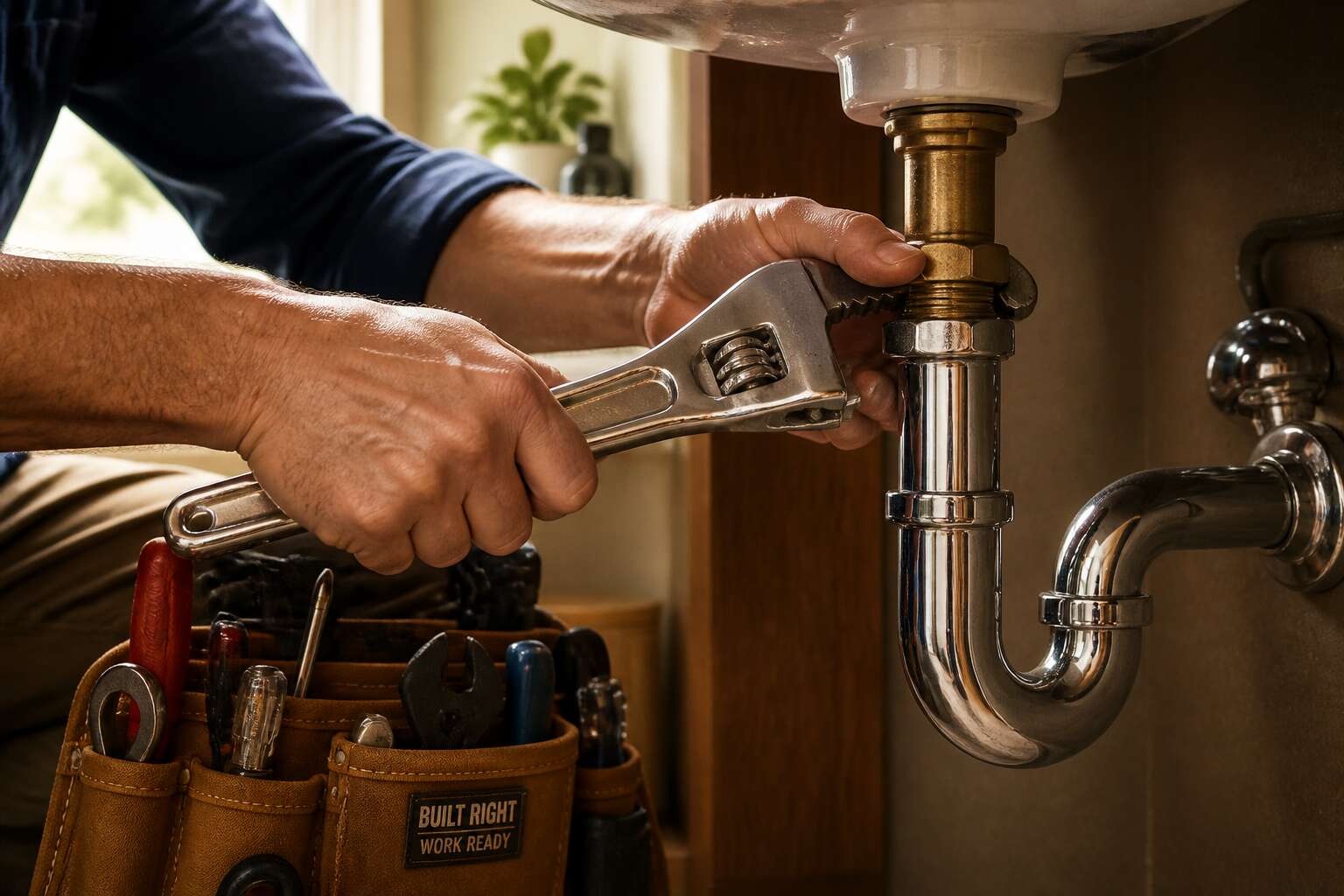
Essential Home Repair Services Every Homeowner Should Know
Identifying Common Household Repairs
Nearly 40% of South African homeowners postpone essential repairs for over a year. That delay often turns a minor leak into a structural problem. Knowing which household issues demand immediate attention is the first line of defense against costly damage.
Common culprits include:
- Dripping taps that waste water and inflate your municipal bill
- Cracked roof tiles that allow moisture into your ceiling cavity
- Faulty electrical outlets that pose a fire risk
- Blocked gutters that cause overflow during heavy rains
Each of these signals a deeper issue. Ignoring them multiplies the repair cost. Professional handyman work addresses the root cause, not just the symptom. A banging geyser, for example, often means sediment buildup, not a simple thermostat fault.
Regular inspections catch these problems early. Homeowners who understand common repair categories communicate more effectively with their service provider. Scheduling routine handyman work prevents escalation and saves both time and money.
Indoor Tasks: Plumbing, Electrical, and Painting
Indoor repairs demand a particular breed of courage. Plumbing alone has ruined more Sunday afternoons than load shedding. When your shower pressure drops to a pathetic drizzle, that is not a personality flaw in your water provider. That is mineral buildup in the pipes. Professional handyman work clears the blockage without turning your bathroom into a mudslide.
Electrical issues deserve equal respect. A tripping breaker is your house screaming for help, not a suggestion to reset it fourteen times. Painting indoors sounds simple until you realise the previous owner used gloss over latex. Then you are sanding for days.
- Geyser element replacement and thermostat calibration
- Rewiring of faulty sockets and light switches
- Wall preparation and crack filling before repainting
These tasks require tools most homeowners do not own and skills most homeowners do not possess. Attempting them DIY usually ends in tears and a call to someone who knows better. Effective handyman work saves your sanity and your bond.
Outdoor Tasks: Landscaping, Fencing, and Roofing
The exterior is where the sun does its worst. A roof absorbs the full force of South African summers and the sudden violence of winter storms. A single cracked tile or a loose flashing allows moisture to move through the timber and insulation. Fences suffer a slower decay. Ultraviolet light degrades the wood and destabilises the posts, leaving the entire gate vulnerable to wind pressure.
Landscaping controls the topography that protects your foundations. Without professional handyman work, the soil settles and water pools against the bricks. The terrain does not forgive an amateur.
- Roof inspection and tile replacement
- Fence post anchoring and gate rehanging
- Gutter cleaning and downspout repair
These tasks require ladders, rigging, and a measure of nerve. This is where reliable handyman work separates a clean structure from a silent, irreversible decay.
Specialty Services: Assembly, Installation, and Caulking
Most homeowners can hang a picture, but few know how to set a cabinet door perfectly straight. Specialty services like assembly, installation, and caulking require a level of handyman work that demands precision and patience. A wobbly flat-pack bookcase or a gap in the window frame might seem harmless. Over time, that gap lets in dust, insects, and moisture, slowly wearing down the sealant you never noticed.
Assembly requires sorting tiny screws and deciphering ambiguous instructions. Installation means measuring twice and drilling once, especially when mounting a TV or fixing a security gate. Caulking is the quiet work that prevents water damage in bathrooms and kitchens. A skilled handyman applies a smooth bead that lasts for years. Professional handyman work in these areas saves you from repeat visits and bigger bills later.
Why Hiring a Skilled Tradesperson Is a Smart Investment
Saving Money with a Single Versatile Professional
The true cost of a neglected repair often exceeds the fee of the person who fixes it. In South Africa, where property values hinge on meticulous upkeep, the value of a single skilled tradesperson becomes undeniable.
Hiring one versatile professional for handyman work transforms maintenance burdens into a streamlined partnership. This is not a luxury; it is a fiscal discipline. One expert can diagnose, prioritize, and execute tasks efficiently. The savings accumulate through reduced call-out fees, faster turnaround, and fewer repeat visits. Consider the hidden expenses you avoid!
- Paying multiple contractors for minor, interconnected fixes.
- Losing time coordinating separate schedules and quotes.
- Watching small issues escalate into structural emergencies.
I have seen homeowners save thousands by trusting a single craftsperson. Their knowledge of your home becomes an asset, turning handyman work into a strategic investment rather than an expense. That is the quiet intelligence of smart budgeting.
Avoiding Expensive Future Damage
The South African Insurance Association reports that nearly a third of household claims stem from deferred maintenance. A skilled tradesperson identifies the warning signs before they become insurance paperwork.
Hiring expertise means paying for foresight. A professional notices subtle deflection in a roof beam or faint discolouration on a ceiling that signals a slow leak. Left alone, these become structural repairs demanding capital outlays ten times the original fee.
- Routine handyman work prevents emergency call-outs.
- Early intervention preserves your property’s resale value.
- Documented maintenance strengthens insurance claims.
This is the true economy of handyman work. You purchase certainty along with labour. The modest cost of professional diligence protects your largest asset from irreversible decay.
Time Efficiency and Convenience
Every hour spent coordinating repairs is an hour subtracted from your own life. This is the hidden tax of homeownership. A dependable professional consolidates what would otherwise fragment your week into a single, manageable appointment. You pay once for their time, and they bring the entire toolbox, the correct materials, and the accumulated knowledge of years in the field. This consolidation is the core value proposition of skilled handyman work. You are not merely buying a completed task, you are purchasing the hours of your life back.
The convenience extends beyond scheduling. A skilled tradesperson works from a detailed checklist and arrives prepared for the variables they might encounter. This foresight eliminates the frustration of a half-finished job and the second trip that follows. For the time-poor professional, this dependability is invaluable.
– Job scoping and quoting happen before any work begins, so there are no billing surprises.
– Tradespeople manage their own logistics, including sourcing parts and cleaning up the workspace.
– A single point of contact simplifies communication, ensuring you get accurate progress updates without chasing multiple people.
The value of this efficiency is tangible. When you compare the hourly rate of a professional against the opportunity cost of your own lost weekends, the choice becomes clear. Skilled handyman work is a strategic allocation of capital, trading a modest outlay for a significant return in personal time and peace of mind. It is an investment in your schedule as much as your property.
Access to Professional-Grade Tools and Materials
Buying a single tool for a job you will do once is how garage graveyards begin. I have a drawer full of these things. That cheap drill from the flea market works exactly once. A skilled tradesperson arrives with a van full of proper equipment, calibrated and maintained. You are not paying for the tool; you are paying for thousands of hours spent learning which tool does not wreck the job.
Professional materials also matter. Hardware store adhesives and builder-grade paint cannot compare to specification-grade products sourced through trade suppliers. For handyman work, material quality determines whether the fix lasts five months or five years. A professional knows which substrate gets which product.
The hidden costs of DIY tool ownership:
- The initial purchase of a tool you will never use again
- The second purchase after the cheap version breaks
- The repair cost for the damage caused by using the wrong attachment
Professional handyman work removes this equation. You pay for expertise and equipment, not a shed full of regrets.
Safety and Liability Protection
Every property owner faces the same calculation when a repair goes wrong. The cost of fixing the mistake, plus any medical bill, lands on the person who picked up the tool. That risk belongs entirely to you during DIY projects.
Professional handyman work includes liability protection. A qualified tradesperson carries insurance that covers property damage and personal injury. If something fails, their policy absorbs the loss. This removes financial exposure from your household.
The coverage typically includes:
- Structural damage caused during the job
- Injuries to anyone on the property
- Defective workmanship that requires redoing
The safety net extends further. If a tradesperson gets injured on your property, their worker’s compensation handles the medical costs. Your home insurance stays out of the claim. The quoted price for handyman work becomes the total cost, not an opening figure.
A Step-by-Step Guide to Hiring Reliable Help
Verifying Licenses and Insurance Coverage
A single uninsured mistake can turn a simple repair into a financial nightmare. That is why the vetting process matters as much as the job itself. For any handyman work, verification should follow a clear sequence that protects your investment.
Start with these checks:
- Confirm a valid business license with the local municipality.
- Request an insurance certificate and look for the effective dates.
- Call the provider to verify the policy is active, not just printed.
Without these steps, you are unprotected. A diligent homeowner always confirms coverage before the first tool comes out. The few minutes spent on these calls pale against the cost of a single courtroom visit.
Seeking Recommendations and Checking Reviews
A recommendation from someone who has lived through a contractor’s work carries more weight than any glossy advertisement. For reliable handyman work, the best leads often come from a neighbour who watched a professional handle a tricky ceiling leak or a colleague who trusted someone with their security gate. Ask specifically about punctuality, cleanliness, and how they managed unexpected problems.
Online reviews offer a second layer of evidence. Look for repeated themes across multiple platforms. A single complaint might be an outlier, but three mentions of the same issue are a signal.
When reading reviews, consider these warning signs:
- Frequent excuses about delays
- Vague descriptions of completed tasks
- Reluctance to provide a written quote
These patterns often appear before the actual project begins. A credible professional will have a trail of specific, verifiable feedback. That trail is your best protection.
Requesting Detailed Written Estimates
Few things protect you like a written estimate. It turns a vague handshake into a clear contract. Ask for itemised costs and material specifications. A reliable professional will break down labour, parts, and timelines without hesitation.
When you request a written estimate, check for these details:
- Exact replacement parts and brands
- Hourly rates versus fixed fees
- Payment milestones and cleanup duties
This transparency reveals how the person approaches handyman work. If the estimate feels rushed or padded, that tendency will carry into the job. A thorough quote is a formality. It defines the project.
Evaluating Communication and Professionalism
A phone call reveals more about a tradesperson than any online profile. When you first speak with a candidate, notice how they listen. Do they ask pointed questions about your home and the problem? Do they explain their approach in plain language? A professional who dodges specifics during a conversation will likely do the same on the job.
Punctuality also speaks volumes. If they arrive late to a consultation without a call, that pattern often extends to handyman work. Professionalism shows in small gestures, like wearing clean boots and carrying organised tools. Trust your instincts. A contractor who makes you feel rushed or dismissed is not the right fit. Consider these markers of reliable communication:
– Returns calls within 24 hours
– Asks clarifying questions before quoting
– Explains the scope without pressure tactics
Strong communication is the foundation of a smooth project. When a tradesperson treats the initial conversation with care, they signal respect for your time and budget. That early impression usually holds throughout the entire job.
Decoding the Cost of Home Maintenance and Repairs
Hourly Billing vs. Fixed Project Pricing
The true cost of handyman work rarely appears on the initial quote. Hourly billing invites transparency, yet it shifts the risk of slow work onto the homeowner. Fixed project pricing transfers that risk to the professional, who must anticipate every complication. Neither model is inherently superior; the right choice depends on the scope’s clarity.
For a well defined task, such as replacing a tap, a fixed rate offers certainty. For exploratory repairs, where the underlying issue remains unknown, hourly billing allows flexibility. Consider these scenarios:
- Replacing a known fixture benefits from a fixed price.
- Diagnosing a recurring leak warrants hourly billing.
Understanding this distinction turns a simple quote into a strategic decision for any handyman work engagement.
Factors That Influence the Final Bill
I’ve watched many homeowners only learn the true price of repairs when the invoice lands. A local survey reports that unexpected material costs push nearly half of all maintenance jobs beyond their initial estimates. That gap often comes down to hidden variables.
The first factor is the physical condition of your property. Older homes present surprises behind walls, such as corroded pipes or outdated wiring. A straightforward task can expand once a professional opens up the area. Travel time also matters, especially in sprawling metros like Johannesburg or Cape Town. Handymen factor in fuel and hours spent on the road, which affects the final bill.
Other elements include:
– The quality of materials you request.
– The season, as emergency calls during peak months cost more.
– Permit requirements for structural changes.
Each job carries its own complications. Understanding these influences makes handyman work less opaque and helps you plan a realistic budget.
Average Cost Ranges for Popular Repair Jobs
A leaky tap looks innocent until the invoice arrives. In South Africa, common repair costs vary wildly across provinces. A geyser swap in Gauteng might cost R4,500. The same job in Cape Town could reach R9,000. Painters charge per square metre, but they also charge for your high ceilings.
Popular repair jobs and average ranges:
- Geyser replacement: R4,500 to R9,000
- Ceiling board patch: R900 to R2,400
- Single room painting: R1,800 to R3,500
These numbers shift with material quality and access difficulty. Handyman work often sits below specialist rates. Handyman work avoids the callout premiums that emergency plumbers add after dark. That gap matters when you have three separate trades quoting for one job. Your final bill reflects the person holding the tools, not the task description alone.
Hidden Fees and How to Avoid Them
In South Africa, the final invoice for handyman work can swell by 20% before you even open the door. Travel charges, material markups, and ‘miscellaneous’ fees slip past the untrained eye. I once watched a R1,800 paint job climb to R2,400 because the painter added a ‘colour consultation’ nobody requested.
Specificity changes the picture. A written quote that names every material, every hour, and every kilometre leaves no room for additions. Hidden fees thrive in vagueness. A quote that says ‘paint ceiling’ carries more risk than one that lists the primer, the finish, and the ladder hire.
Some charges are ordinary:
- dump tickets for old tiles
- scaffolding hire for high walls
- extra mastic for stubborn gaps
These belong in the estimate, not as surprises.
Handyman work rewards patience. A quick yes invites the extras. A slow question exposes them!
Budgeting for Unscheduled Home Repairs
Home maintenance costs are rarely linear. A R400 tap washer becomes a R1,800 valve replacement when the isolation valve fails. Budgeting for unscheduled home repairs means accepting that the quote is a starting point, not a ceiling.
I keep a separate savings bucket for these moments. Not a credit card. Cash. Handyman work becomes affordable when you have a buffer. A leaking roof cannot be postponed, and neither can the plumber.
- Set aside 1% of your property value annually
- Prioritise structural issues over cosmetic ones
- Get three quotes, then compare the scope, not just the price
Sundries add up. Screws, sealant, and a new drain cover. The true cost of handyman work lives in those small line items. Budget for them.
Getting the Best Value for Your Money
The true price of a repair appears when you match the quote to the home itself. A Victorian ceiling, a 1980s plumbing system, a coastal wall damp from winter salt. Each condition changes the labour. Handyman work is only worth what it solves.
I have learned to read estimates closely. The good ones show every assumption. They name the materials, the timing, and the access. The vague ones hide those details behind a rounded figure.
Some details matter more than others:
- The removal and disposal of old parts.
- The number of site visits included.
- The warranty terms for the specific repair.
When those appear in writing, the quote becomes reliable. In South Africa, where building standards and seasons shift by region, handyman work that carries written detail is the best money can buy.
DIY or Professional Help: How to Decide
Honest Assessment of Your Abilities
There is a quiet dignity in knowing precisely where your skill ends. That boundary, when crossed, turns a simple repair into a costly lesson. Honest assessment of your abilities begins with asking what failure might cost, not just in money, but in safety and peace of mind.
Consider the task. Some jobs demand a steady hand and a tolerance for frustration. Others require specialized equipment you will use once and never again. Before you commit to a Saturday afternoon, list the true requirements:
- Physical demands and workspace constraints
- Risk of injury or property damage
- Time available versus time required for a clean finish
When the stakes feel manageable, DIY can offer a rewarding sense of ownership. But handyman work often hides complexity beneath a simple surface. A professional brings years of patterned judgement, something no online tutorial can replicate. Knowing when to step back is not defeat. It is wisdom.
Tools and Material Availability
Tools often reveal the true cost of a project. A single pipe wrench, a tile cutter, or an auger bit can cost more than the repair itself. When you calculate the price of buying these items against hiring someone, the comparison changes quickly. Handyman work frequently requires specialised equipment that most households simply do not own.
Consider the material side. In South Africa, availability varies by region. A specialist fitting or a specific grade of timber might need to be ordered, adding days to your timeline. I have seen projects stall because the correct component was simply not in stock. Professionals have established supplier relationships and know where to source what they need without driving across town.
Before you commit your Saturday to handyman work, take stock:
- Do you already own the correct tools?
- Can you find materials locally without delay?
- Will you use this equipment again after this job?
Time Commitment and Lack Thereof
A forty minute task often turns into three hours of work once the necessary tools are gathered and the first attempt fails. The difference between planned time and actual time can disrupt your entire day. When your calendar holds no buffer for unexpected delays, handyman work becomes a simple calculation of hours.
Consider the opportunity cost of your own time. A professional charges a fee, but they also give you a predictable completion time. Your lack of availability often decides the outcome, not your skill level. If you cannot dedicate a full day without interruption, the sensible choice becomes obvious, and handyman work saves you the stress.
- How many hours can you genuinely spare this week?
- Does the job have a deadline that cannot shift?
- Will postponing cause further damage or expense?
High-Risk vs. Low-Risk Projects
Every South African homeowner knows the moment a simple repair reveals its true nature. You loosen one screw, and a dozen others follow like dominoes. This is the moment where stress begins, and where the cost of your decision becomes clear. The line between a manageable task and a financial catastrophe is usually measured in millimetres or volts.
The critical distinction lies in what happens when things go wrong. A dripping tap that becomes a fountain, or a light fixture that sparks, transforms a minor nuisance into a significant emergency. For most people, the difference between saving money and losing it comes down to how you assess the risk of failure.
– Does the job involve water or live electrical circuits?
– Will a mistake cause structural damage to your home?
– Can you afford the increased cost of emergency repairs?
Consider the cost of failure. A professional charges for their time, but you also pay for their experience and their insurance. If you attempt a task and fail, you will need to pay for a professional anyway. You will also be paying for the original materials and the new materials required to fix your error. This is why certain tasks are impossible to justify as do-it-yourself projects.
Safety and liability protection are not abstract concepts. They are the difference between a minor inconvenience and a legal or medical crisis. When you hire a professional, you are transferring the risk of injury and damage. When you work alone, that risk sits squarely on your shoulders. The pressure of that responsibility is often heavier than the physical work itself.
The true test is brutal but simple. If you cannot afford to fail, you cannot afford to do it yourself. The financial risk of a mistake is often larger than the quoted price of a professional service. Protecting your home and your family from the consequences of a flawed installation is the primary goal of professional handyman work.
Assess the task. If the consequence of a mistake is laughter, you are safe. If the consequence is a call to your insurance company, it is time to put the tools away. The stress of a failed project is never worth the small savings. Book the professional, enjoy your weekend, and let the handyman work be someone else’s suspenseful story.



0 Comments