
Samson Energy is a Solar energy company establishment in Randburg, Gauteng, South Africa
SAMSON Energy: Solar Solutions and Customer Experience in Randburg, Gauteng
SAMSON Energy presents itself as a forward-thinking solar solutions provider with a stated aim of enabling sustainable living through customisable solar systems. The company markets itself as the modern successor to SUSSCO Energy, expanding to serve homes and businesses across South Africa. Its core messaging centres on transforming the sun’s energy into reliable power through innovative technology, with an emphasis on energy independence, long-term durability, and financial predictability in an era of rising electricity costs.
From the website content, the business positions itself as more than a supplier of components; it portrays itself as a partner in progress. The emphasis is placed on self-sufficiency and autonomy, empowering clients to generate their own electricity and shield finances from the volatility of traditional energy markets. The overarching narrative stresses sustainability and economic freedom, suggesting installations are long-term investments designed to deliver years of near-cost-free electricity after the upfront outlay is recovered. The company’s stated philosophy highlights practical benefits—reduced bills, energy independence, and a smaller carbon footprint—as the primary value propositions for residential and commercial customers alike.
In terms of product range, SAMSON Energy highlights Sunsynk inverters and a line of solar batteries as central elements of its offering. The site showcases a selection of packaged solutions branded as “Combo Deals,” with specific emphasis on backup power capabilities. Notable items include combinations that pair Sunsynk inverters with battery storage to create reliable backup power stations, pitched at varying capacities (for example, 5 kW and 8 kW configurations). The availability of these combo packages signals a focus on resilience and continuous power supply, particularly relevant to settings where electricity reliability is a concern or where load shedding is common.
Industry focus and typical project profiles suggested by the site lean toward both residential and commercial applications. The narrative invites households and enterprises to view solar as a means to reduce operating costs and to invest in a sustainable energy future. While specific job types or sector categories are not exhaustively itemised on the public pages, the presence of residential combo deals alongside broader statements about “Your Solar SA – Energy Efficient Solutions” suggests an adaptable approach suitable for a range of clients, from homeowners to small- and mid-sized organisations.
Requests and engagement likely follow a straightforward pathway consistent with many solar providers: initial information gathering about energy needs, site evaluation, system design tailored to the customer’s usage patterns, and installation of solar panels, inverters, and storage solutions. Although the site does not publish a step-by-step service workflow, the emphasis on engineering energy independence implies a consultative process focused on understanding consumption, roof suitability, and the integration of backup power capabilities with existing electrical infrastructure.
Visiting feedback from customers, while limited in detail on the available public snippets, includes references to customer service. This suggests that service experience is a notable dimension of the overall offering, with buyer perceptions likely shaped by responsiveness, clarity of information, and alignment between expectations and delivered performance. As with many solar providers, client impressions tend to hinge on post-installation support, system reliability, and the practicality of operation in day-to-day life.
Practical tips for prospective clients include considering a bespoke assessment to match system capacity with current and anticipated energy use, especially in settings subject to load shedding. Prospective buyers should verify the compatibility of Sunsynk inverters with existing electrical systems and confirm warranty terms, after-sales service options, and parts availability for batteries and inverters. Given the focus on long-term savings, it is prudent to request a clear cost-benefit analysis that documents potential bill reductions, payback period, and any maintenance requirements.
- Main services offered: solar systems design and installation, Sunsynk inverter technology, energy storage with solar batteries, and bundled backup power solutions.
- Typical job types: residential installations and commercial solar upgrades, with a focus on reliable backup power.
- How requests usually work: initial inquiry, tailored system design, installation of solar panels, inverters, and storage, followed by commissioning and ongoing support (specific steps not published publicly).
Although specific business hours or best times to visit are not stated on the public pages, the company’s South Africa-wide reach implies responsiveness during standard business hours, with potential for on-site assessments in Randburg and surrounding Gauteng areas. SAMSON Energy frames its services as part of a broader mission to support sustainable living across the nation, leveraging solar energy to reduce costs and promote energy independence for both individuals and organisations.
Gauteng
South Africa
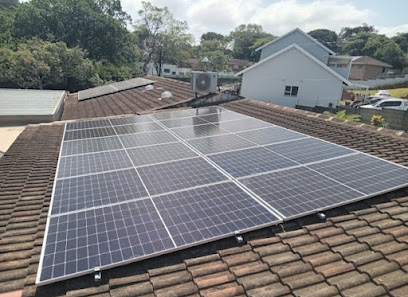
Solar energy services in Randburg, Gauteng
In Randburg, Gauteng, solar energy providers offer a comprehensive range of services designed to help homes and businesses harness the area’s abundant sunshine. The typical offering covers initial consultation, system design, installation, commissioning and ongoing maintenance. Clients can expect a careful assessment of site conditions, including roof orientation, shading and electrical infrastructure, to determine the most effective approach for generating clean, sustainable power.
Initial assessments focus on feasible capacity and expected energy yield. A professional will review electrical panels, roof structure and available space for photovoltaic (PV) panels, as well as potential alternatives such as ground-mounted arrays for larger requirements. The aim is to propose a customised solution that balances upfront costs with long-term savings, taking into account local electricity tariffs and typical usage patterns. In this region, the high solar resource coupled with daytime electricity demand makes rooftop PV a practical choice for many properties.
Design and engineering work centres on selecting suitable PV modules, inverters, mounting systems and cabling. The design process ensures that components are compatible with South Africa’s electrical standards and safety regulations. Where relevant, designers will address electrical upskilling needs, earthing and surge protection, as well as the integration with existing electrical distribution boards. For commercial and industrial clients, the planning may extend to three-phase systems, larger battery storage solutions and recommendations for future scalability.
Installation is undertaken by qualified teams who install modules, racking, wiring and inverters with attention to weather, safety and aesthetic considerations. The process typically follows a staged approach: securing permits where required, mounting the PV array, wiring to an inverter, and connecting to the electrical system. In Randburg, installations are often designed to optimise space utilisation on roofs while ensuring easy access for maintenance. Commissioning involves testing of the system, verification of energy output against design expectations and the setup of monitoring dashboards where provided.
Maintenance and aftercare form a core part of service offerings. Regular inspections help identify loose connections, degraded panels or inverter performance issues. Routine cleaning, where appropriate, can help sustain efficiency, especially in dusty urban environments. Many solar providers offer servicing agreements that include performance monitoring, system health reports and recommended remedial work, helping property owners maximise return on investment over time.
Monitoring and performance analysis enable customers to track energy production, consumption patterns and potential savings. Modern systems may include online portals or mobile access to data, enabling proactive management of energy use. Providers in Randburg commonly advise on optimising behaviour to maximise self-consumption, as excess generation can be used to reduce grid imports during peak tariff periods.
Practical considerations include warranty terms, product longevity and the reliability of after-sales support. Clients are encouraged to request clear information on component warranties, such as modules and inverters, and to understand expected maintenance intervals. Local installers also emphasise safety adherence, with attention to compliant electrical work, responsible disposal of old equipment and the handling of rebates or financing options where available. For many organisations, solar energy services align with broader energy resilience plans, enabling continuity during grid disruptions and contributing to a lower carbon footprint in Randburg and the greater Gauteng region.
Overall, solar energy providers in Randburg deliver end-to-end solutions tailored to residential, commercial and industrial needs. From initial site evaluation through to ongoing care, the focus remains on practical, cost-effective solar adoption that suits South Africa’s climate and regulatory landscape, while delivering tangible gains in energy independence and environmental impact.
Sorry, no records were found. Please adjust your search criteria and try again.
Sorry, unable to load the Maps API.