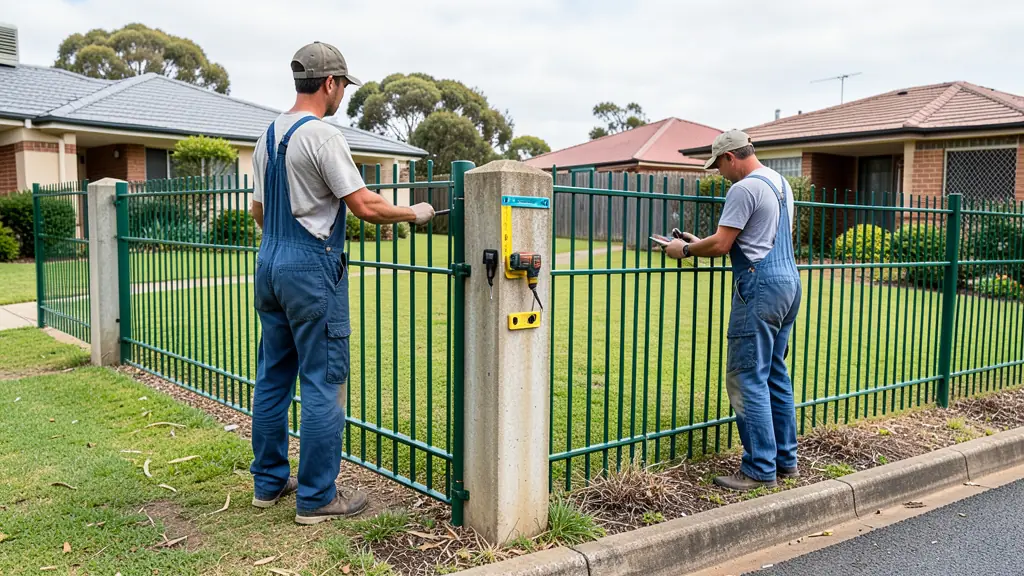
A good fence marks your boundary, keeps pets in and makes a property harder to enter. HandymanService.co.za is a free quote-request service for South Africa. Tell us about your fencing job, whether a new palisade, ClearVu, wall or mesh fence, or a repair, and we pass the request to independent fencing installers and handymen who quote you directly. We do not do the work and we never give prices. There is no fee and no obligation to accept a quote.
Fence types to consider
Each fence trades off cost, strength, look and privacy.
- Palisade fencing: steel pales in a panel, strong and see-through. The most searched-for style in South Africa.
- Clear view fencing: welded steel mesh panels such as ClearVu, hard to cut or climb and clear to see through.
- Precast walls: concrete panels slotted between posts, quick to build and private.
- Wire, diamond mesh and weldmesh: suited to gardens, farms and large plots.
Brick walls give the most privacy but take longer to build.
Palisade, clear view and electric fence options
Palisade fencing is popular because it is strong, lasts long when galvanised or powder-coated, and lets you see the street. Clear view fencing uses fine, closely spaced mesh that resists cutting and gives few footholds, which makes it a common choice for security-conscious homes and businesses.
An electric fence can run along the top of a wall or fence. It must be installed by a qualified installer, who must issue an Electric Fence System Certificate of Compliance. Insurers often ask to see it.
Ask about warning signs, earthing and who services the energiser. Battery backup keeps the fence working during load-shedding.
Repairs, rust and municipal rules
Fences fail at the posts first. Rusted bases, loose concrete footings and leaning panels are common, as are cut or stolen sections. Coastal salt speeds rust, so a galvanised and painted finish matters there. Repairs can include welding, replacing panels, resetting posts and repainting.
Boundary walls and fences are usually subject to municipal rules on height and materials. Walls above a certain height may need approved plans under the National Building Regulations. A shared boundary also involves your neighbour, so talk to them first.
In an estate or sectional title scheme, the HOA or body corporate may decide the fence type and colour.
What affects the quote
We do not show prices. The main cost drivers are the length of the fence, the height, the material and finish, the number of gates and the ground. Rock, a steep slope or old walls to remove all add to the work. Foundations and post spacing also vary.
Tell us what you want to achieve: security, privacy, pet containment or boundary marking. Give the approximate length and any gates. Add photographs and say if the fence will have electric strands. Installers can then quote the same job and you can compare them fairly.
Comparing quotes for fencing
The lowest figure is not always the best deal. When your quotes arrive, check:
- Scope: exactly what is included, from preparation and materials to rubble removal and clean-up.
- Materials: the brand, grade or quantity allowed for, and who buys and delivers them.
- Timing: when the work can start, how long it takes and what happens if it rains.
- Guarantee and terms: any workmanship guarantee, deposit, payment stages and how long the price holds.
What to include in your request
- Give the approximate length and height of the fence.
- State the type, such as palisade, clear view, precast or mesh.
- List gates, including sliding or swing and pedestrian gates.
- Mention if you want an electric fence on top.
- Attach photographs of the boundary, slope and old fencing.