Get a quote
TL-13

Building Unit Converter: mm, Inches, Cubes, Litres and Pressure

Enter a value, pick its unit and see it in every other unit of the same kind. It covers length, area, volume, weight and pressure for building and DIY jobs.

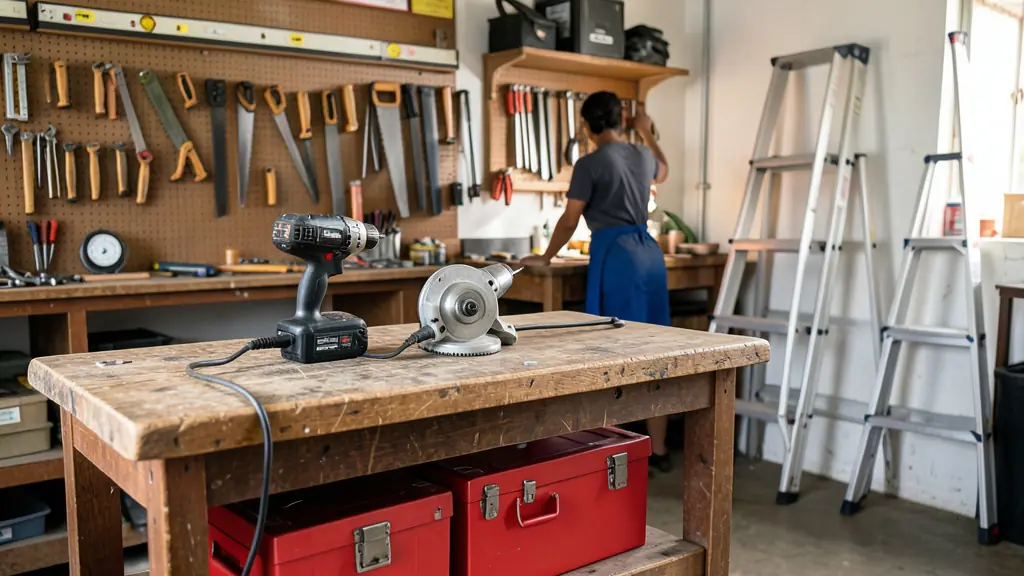
Cordless drill, angle grinder, spirit level and ladder on a workbench at a South African tool supplier

Building Unit Converter

Change any measurement and the answer updates as you type.

Measuring sheetTL-13

1 in equals

mm
25.400
cm
2.540
m
0.0254
ft
0.0833
yd
0.0278
  • Timber is still often sold in inches: a '2 × 4' is planed to about 38 × 89 mm in SA (sizes vary by supplier).
Estimates only: confirm quantities with your supplier or contractorTL-13

Building jobs mix metric and imperial units, and supplier quotes often mix them too. This building unit converter handles the common ones: millimetres, inches and feet, square metres and square feet, cubes, litres and wheelbarrows, kilograms and pounds, and bar, kPa and psi. Pick the unit you have and read off the rest. Round figures to suit the job, and always measure twice before you cut or order.

How the converter works

Every unit is tied to one base unit of its kind: metres for length, square metres for area, litres for volume, kilograms for weight and kilopascals for pressure. Your value is converted to the base unit, then divided by the factor of each other unit in the same group.

  • Length: 1 inch is 25.4 mm, 1 foot is 0.3048 m and 1 yard is 0.9144 m.
  • Volume: 1 m³ is 1,000 litres. A US gallon is about 3.79 litres, but an imperial gallon is about 4.55 litres.
  • Pressure: 1 bar is 100 kPa, and 1 psi is about 6.9 kPa.

Measuring and ordering in South Africa

A "cube" at a builders' merchant is one cubic metre of sand or stone, which is about 15 builder's wheelbarrows of 65 litres each. Merchants also sell by the ton, so ask which unit the price uses before comparing quotes.

Timber is still often sold in inches. A "2 × 4" is planed to about 38 × 89 mm in South Africa, but sizes vary by supplier, so measure the actual piece. Check the label on paint, adhesive and sealant tins too, because sizes can differ between brands.

Check gallons carefully. The same word can mean two different volumes, so work out which gallon a product label uses.

Pressure, geysers and when to call a pro

South African municipal water pressure is usually 2 to 6 bar. Most geyser pressure control valves are rated 400 kPa (4 bar) or 600 kPa (6 bar), so the converter helps when a label is in bar or psi and the valve in kPa. A geyser should also have a drip tray and an overflow pipe that drains outside.

Leave geyser and pressure work to a PIRB-registered plumber, who can issue a Plumbing Certificate of Compliance. HandymanService.co.za does not do the work or sell anything. Use the form on this page to get a free quote from independent handymen, plumbers and suppliers.

Frequently asked questions

How many millimetres are in an inch?
One inch is 25.4 mm. Choose inches, enter your value and the converter shows millimetres, centimetres, metres, feet and yards. Timber and fittings are still sometimes quoted in inches, so keep the converter close when you order.
How many wheelbarrows are in a cube of sand?
A cube is one cubic metre, which is 1,000 litres. A standard builder's wheelbarrow holds about 65 litres, so a cube is roughly 15 barrows. Loads vary with how full you fill them, so treat this as an estimate.
How do I convert bar to kPa or psi?
One bar equals 100 kPa. One psi is about 6.9 kPa, so 4 bar is 400 kPa, or roughly 58 psi. Pick bar, kPa or psi in the unit list and the converter shows the other two at once.
Is a US gallon the same as an imperial gallon?
No. A US gallon is about 3.79 litres and an imperial gallon is about 4.55 litres. The converter lists them separately. If a product label says gallons, find out which one it means before working out how much to buy.

More calculators and guides

Get a free quote

Tell us the job and where it is. A handyman, contractor or supplier who works in your area quotes you directly.

Job cardNo. 69171
  1. 1Tick the jobs and describe the work.
  2. 2We pass it to someone who works near you.
  3. 3They quote you. Free, no obligation.
Tick what needs doing (optional)

Free and no obligation. By sending you agree that we may share your request with a suitable handyman, contractor or supplier. See our privacy policy.

Get a free quote