Get a quote
TL-06

Plaster Calculator: Cement and Sand for Walls and Screeds

Find out how many bags of cement and how much sand your plaster or screed needs. Then get free quotes from plasterers and suppliers.

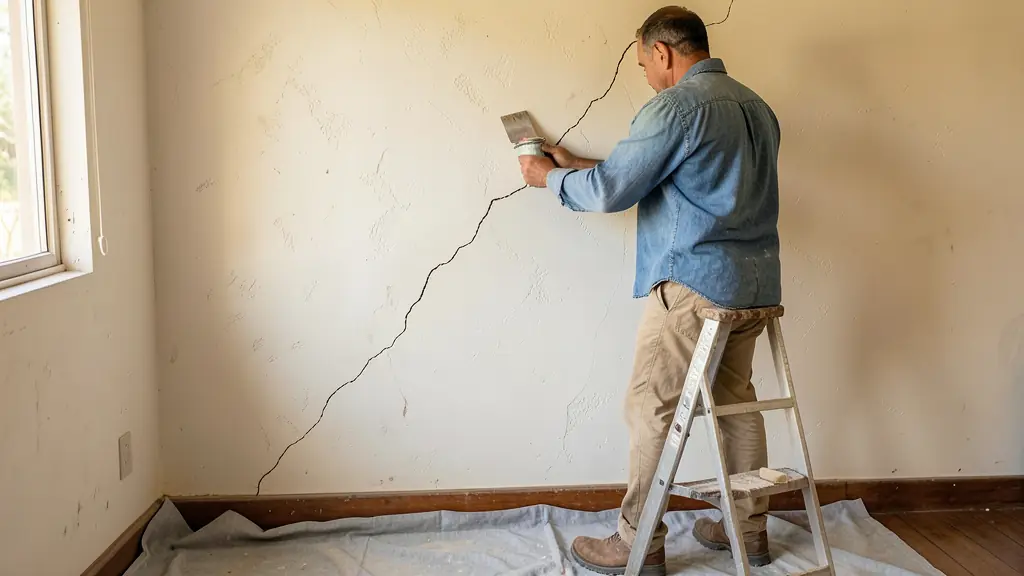
A handyman filling a wall crack in a South African home before repainting

Plaster & Screed Calculator

Change any measurement and the answer updates as you type.

Measuring sheetTL-06
Wall: length × height, less openings
Plaster 12–15; screed 25–50

Cement3 × 50 kg bags

Mortar volume (incl. 15% waste)
0.34 m³
Cement by weight
108 kg
Plaster sand
0.37 m³ (0.6 t)
Coverage per bag
9.3 m² per bag
  • Wet the wall before plastering so the bricks don't suck the water out of the mix.
  • Over 20 mm, plaster in two coats a day apart instead of one thick coat.
Estimates only: confirm quantities with your supplier or contractorTL-06

This plaster calculator works out the cement and sand for wall plaster or a floor screed. Enter the area, the thickness and the mix, and it shows the number of cement bags, the sand in cubes and tons, and how many square metres each bag covers. All figures are estimates, so ask your supplier to confirm quantities before you order.

How the calculation works

Mortar volume is area times thickness in metres, plus 15% for waste. Dry materials are 1.3 times the wet volume. The calculator splits that by your mix ratio. Cement is converted to kilograms at 1,440 kg per m³, and divided into 50 kg or 25 kg bags. The sand is the rest, shown in cubes and in tons.

Typical mixes are 1 : 3 for screed, 1 : 4 for outside walls and wet areas, 1 : 5 for general plaster and 1 : 6, with lime, for inside walls.

Measuring and thickness

  • For walls, multiply length by height and take off doors and windows. For a floor screed, multiply length by width.
  • Plaster is usually 12 to 15 mm thick. Screed is 25 to 50 mm.
  • Uneven walls need more. Measure the thickest and thinnest spots and use an average.

Tips for plaster and screed

Use plaster sand for walls and river sand for screeds. Wet the wall before plastering so the bricks do not suck the water out of the mix. Over 20 mm, plaster in two coats a day apart instead of one thick coat.

Screeds thinner than 25 mm tend to crack and lift. For less, use a self-levelling compound. Let a new screed dry for about a day per millimetre before laying vinyl or laminate on it.

Outside, plaster in dry weather and shade fresh work from hot sun, which matters on the Highveld in summer and in the Western Cape's dry months.

When to call a professional

Hire a plasterer for large walls, ceilings, cracked or damp walls and floors that must be level. A neat finish takes practice, and cracked plaster usually means a problem underneath that needs fixing first.

Use the form on this page to get a free quote from a plasterer, contractor or supplier. HandymanService.co.za does not do the work itself. It passes your request to independent handymen and suppliers.

Frequently asked questions

How many bags of cement do I need to plaster 20 m²?
At 15 mm thick in a 1 : 5 mix, 20 m² needs about 108 kg of cement, so three 50 kg bags. Each bag covers about 9.3 m². Thicker plaster or a stronger mix means more cement, so change the settings to suit your job.
What is the difference between plaster and screed?
Plaster is a thin finish on walls, usually 12 to 15 mm. A screed is a thicker layer, 25 to 50 mm, laid on a floor to level it before tiles, vinyl or laminate. Screeds use a stronger 1 : 3 mix and river sand.
How thick should plaster be?
Most wall plaster is 12 to 15 mm thick. If you need more than 20 mm to level a wall, apply it in two coats a day apart. A single thick coat can slump or crack as it dries.
Which sand should I use?
Use plaster sand for wall plaster, because it is finer and gives a smooth finish. Use building sand for brickwork mortar. River sand is coarser and better for concrete and screeds. Ask your supplier which type they stock and how they sell it.

More calculators and guides

Get a free quote

Tell us the job and where it is. A handyman, contractor or supplier who works in your area quotes you directly.

Job cardNo. 73529
  1. 1Tick the jobs and describe the work.
  2. 2We pass it to someone who works near you.
  3. 3They quote you. Free, no obligation.
Tick what needs doing (optional)

Free and no obligation. By sending you agree that we may share your request with a suitable handyman, contractor or supplier. See our privacy policy.

Get a free quote