Get a quote
TL-15

Certificates of Compliance in South Africa: Who Issues What

A quick guide to the compliance certificates South African homeowners and sellers meet most often, and which registered trade issues each one.

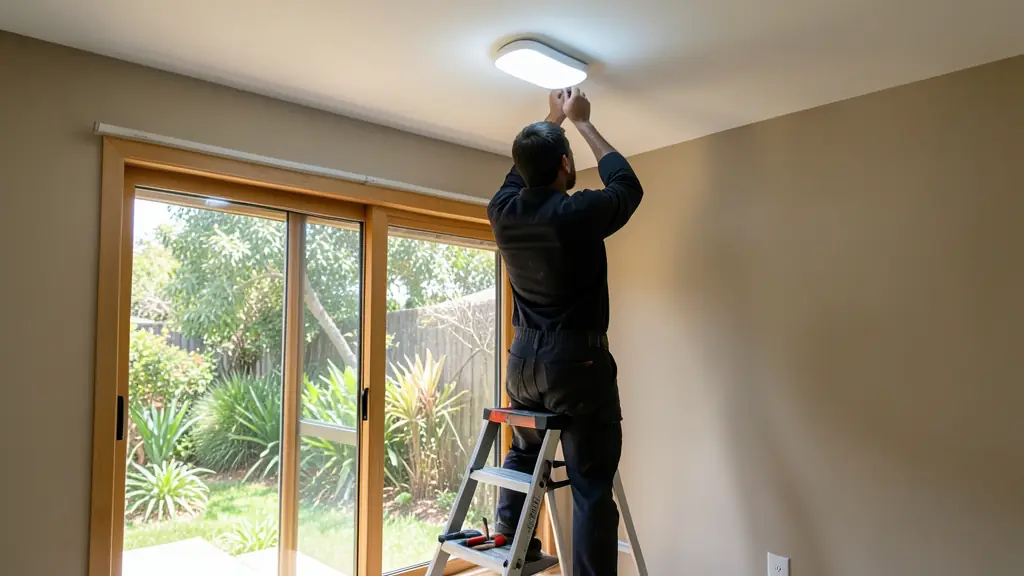
An electrician fitting a ceiling light in a South African home

Which certificate, from whom

The common certificates for home and building work in South Africa.

Data sheetTL-15
WorkWho may do or sign it offCertificateWhen you need it
Electrical work on fixed wiring (new circuits, DB boards, plug points, rewiring)Registered electrician (single phase tester, installation electrician or master installation electrician)Electrical Certificate of Compliance (CoC)After new or altered work, and on sale of the property (generally not older than two years)
Solar PV and inverter installationsRegistered electricianElectrical CoCAfter installation. Grid-tied systems usually also need municipal registration or approval
Electric fenceRegistered electric fence installerElectric Fence System CertificateNew or altered fence, and on property transfer where there is one (since 1 October 2012)
Gas installationsInstaller registered with SAQCC GasCertificate of ConformityAfter installation, and usually on property transfer
Geyser installs and replacements, plumbingPIRB-registered licensed plumberPIRB Plumbing Certificate of ComplianceAfter the job. Geyser work follows SANS 10254, and insurers often ask for it on burst-geyser claims
Water installation in Cape TownLicensed plumberWater installation certificateOn property transfer (some other municipalities have similar rules)
Wood-destroying insects (beetle)Accredited pest control inspectorBeetle certificateOften required by the sale agreement in coastal areas (Western Cape, KZN, Eastern Cape). A contract requirement, not national law
New buildings, extensions, structural changes, many boundary wallsArchitect or draughtsperson, approved by the municipalityApproved building plans (Act 103 of 1977, SANS 10400)Before building starts. Minor work may only need written permission, so ask the municipality
New homesBuilder registered with the NHBRCNHBRC enrolment of the homeBefore building starts
New roof structuresEngineer or truss supplierRoof structure certificateMunicipalities usually ask for it with the roof
General guidance: always check the product pack or the municipalityTL-15

A certificate of compliance proves that regulated work was done by a qualified, registered person and meets the required standard. South Africa has several, and they cover different trades. Some are needed after the work, some when you sell, and some are only a contract condition. Use the table above to see which one matches your job, then ask the tradesperson for it before you pay.

Electrical: the CoC most people ask about

Work on fixed wiring, such as new circuits, DB boards, plug points and rewiring, must be done or supervised by a registered electrician. They issue an Electrical Certificate of Compliance under the Electrical Installation Regulations, 2009. You need one after new or altered work and when a property is sold. For a sale, the certificate generally must not be older than two years.

Solar PV and inverter installations also need a CoC. Grid-tied systems usually need municipal registration or approval as well.

Fences, gas, plumbing and geysers

Since 1 October 2012, a new or altered electric fence needs an Electric Fence System Certificate from a registered electric fence installer. It is also needed at property transfer where a fence exists.

  • Gas: the installer must be registered with SAQCC Gas and issues a Certificate of Conformity.
  • Plumbing and geysers: a PIRB-registered plumber can issue a PIRB Plumbing Certificate of Compliance. Geyser installs follow SANS 10254, and insurers often ask for the certificate on burst-geyser claims.
  • Cape Town: a water installation certificate is required on property transfer. Some other municipalities have similar rules.

Building plans, NHBRC and the beetle certificate

New buildings, extensions, structural changes and many boundary walls need plans approved by the municipality under the National Building Regulations and Building Standards Act (Act 103 of 1977), designed to SANS 10400. Minor work can sometimes go ahead with written permission instead of full plans. Ask the municipality before building.

A new home must be built by an NHBRC-registered builder and enrolled before work starts. Municipalities usually want an engineer's or truss supplier's certificate for a new roof structure.

The beetle certificate is different. It is often a term of the sale agreement in coastal areas such as the Western Cape, KZN and the Eastern Cape. It is a contract requirement, not national law.

Checking a tradesperson and getting a quote

Ask for the registration number and the type of registration before the job starts. Rules and fees can change, so confirm the current requirements with the issuing body or your municipality. Keep every certificate with your property papers.

HandymanService.co.za does not do the work or issue certificates. Fill in the form on this page and independent registered electricians, plumbers and contractors can send you a free quote.

Frequently asked questions

Do I need an electrical CoC to sell my house?
Generally yes. A valid Electrical Certificate of Compliance is normally required when a property is sold, and for a sale it generally must not be older than two years. A registered electrician must test the installation and issue it. Faults found may need fixing first.
Can any handyman issue a certificate of compliance?
No. Only a person registered in the relevant trade can issue it. For electrical work that means a registered electrician. For plumbing, a PIRB-registered plumber. For gas, an SAQCC Gas installer. A handyman can do general repairs, but should bring in a registered person for regulated work.
Is a beetle certificate the law?
No. A beetle (wood-destroying insect) certificate is not national law. It is often required by the sale agreement when a property changes hands in coastal areas such as the Western Cape, KZN and the Eastern Cape. Check your agreement with your agent or conveyancer.
Do I need plans to build a boundary wall?
Many boundary walls need municipal plan approval, while minor building work can sometimes go ahead with the local authority's written permission instead. Rules depend on the height, position and your municipality, so ask them before you build.

More calculators and guides

Get a free quote

Tell us the job and where it is. A handyman, contractor or supplier who works in your area quotes you directly.

Job cardNo. 11124
  1. 1Tick the jobs and describe the work.
  2. 2We pass it to someone who works near you.
  3. 3They quote you. Free, no obligation.
Tick what needs doing (optional)

Free and no obligation. By sending you agree that we may share your request with a suitable handyman, contractor or supplier. See our privacy policy.

Get a free quote